Life With Clear Aligners: Eating, Speaking & Cleaning Made Simple
Clear aligners have quickly become one of the most popular ways to straighten teeth, especially among adults who want a discreet and flexible treatment option. Whether aligners are used alone or as part of a wider smile makeover, their modern design means treatment can fit naturally into daily life without major disruption.
At Islington Smiles, many patients considering clear aligners want to know what day-to-day life is really like: Will it affect how you eat? Will speech change? Is cleaning difficult? And perhaps most common, will people notice?
The good news is that clear aligners are designed to be easy to adapt to, comfortable, and virtually invisible. With the right care routine, most patients find the process smooth, predictable, and surprisingly straightforward.
Understanding How Clear Aligners Work
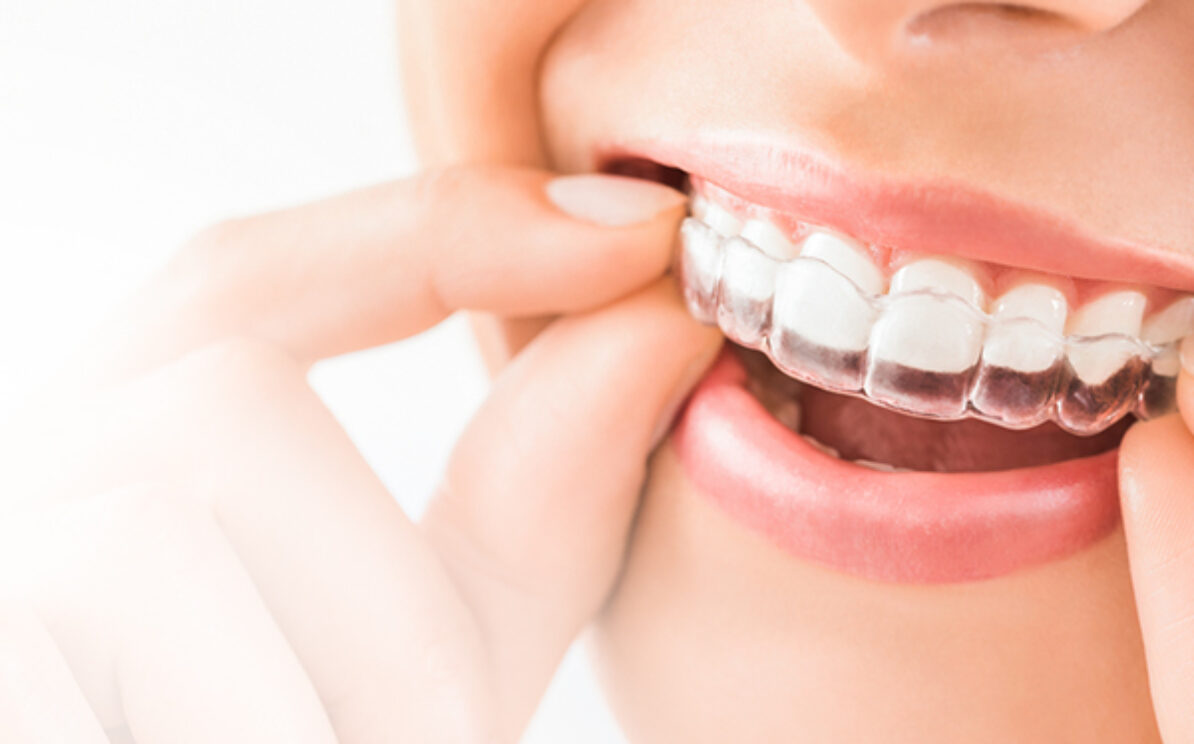
Clear aligners gently move teeth using a series of customised trays. Each aligner applies controlled pressure to gradually reposition teeth. Patients often ask whether aligners shift all teeth at once or just small areas, the answer depends on the treatment plan. In most cases, movement is staged, meaning different teeth move at different points in the process.
Most aligner systems recommend wearing trays 20-22 hours per day for best results.
To explore aligner-based straightening options, you can browse available treatments via the Islington Smiles treatment page.
Your Treatment Team Matters
One of the biggest reasons aligner treatment feels seamless for patients at Islington Smiles is the approach taken by Dr Marisa Monteiro and her experienced clinical team. Rather than offering a “one-size-fits-all” orthodontic plan, the focus is on designing a treatment perfectly suited to your bite, facial structure, lifestyle and long-term goals.
Patients often say they feel reassured knowing they’re supported throughout their journey, from the first scan to the final refinement. Dr Monteiro’s background in both cosmetic and restorative dentistry also ensures that the end result isn’t just straighter, it’s balanced, healthy and aesthetically refined.
Speaking With Aligners – What to Expect
It’s normal for speech to feel slightly different during the first few days. Some people notice a mild lisp, particularly when pronouncing “s” sounds. This happens because your mouth is adapting to the extra material on your teeth.
For most patients, speech becomes completely natural again within 48-72 hours, as the tongue learns its new positioning. Reading aloud or chatting more than usual can help the adaptation process happen even faster.
Eating and Drinking With Aligners
One of the most attractive features of aligners is that they’re removable. Unlike fixed braces, you can continue eating your favourite foods, without worrying about breakages or restrictions.
There is one important guideline: aligners should always be removed for eating and for any drink other than water.
Some patients wonder whether drinking coffee, wine, or fizzy drinks with aligners in is acceptable occasionally. It isn’t recommended, coloured drinks can stain trays, and anything acidic or sugary may become trapped between the aligner and enamel, increasing the risk of decay.
Between meals, rinsing your mouth with water , especially if brushing isn’t possible , helps maintain freshness and hygiene, something also supported in NHS advice on tooth-friendly habits.
Cleaning Your Aligners
Keeping aligners clean is essential. Even with good brushing habits, saliva proteins and bacteria can build up on the surface of trays.
A common question is whether aligners can be cleaned with toothpaste. The short answer is ideally no; many toothpastes contain abrasive particles that can scratch plastic and cause clouding.
Instead, aligners should be:
- Rinsed with lukewarm water
- Brushed gently with a soft toothbrush
- Cleaned using aligner-safe cleaning crystals or tablets as recommended by your dentist
Avoid hot water, as it can distort the aligner’s shape.
Alongside tray cleaning, brushing your teeth after meals, or rinsing if brushing isn’t possible, helps keep aligners clear and odour-free.
Daily Oral Hygiene With Aligners
Aligners make brushing and flossing easier than fixed braces, because there are no brackets or wires to navigate. Your usual routine stays largely the same, with a few added habits.
Effective aligner care typically includes:
- Brushing twice daily with fluoride toothpaste
- Using interdental brushes or floss
- Cleaning trays whenever they’re removed
- Avoiding leaving trays exposed or wrapped in tissue
Patients sometimes worry whether aligners will make brushing take longer, but most find the routine becomes automatic after the first week.
👉 If you’d like hygiene support during orthodontic treatment, explore our hygiene appointments.
Comfort and Adjustment
Some patients experience light pressure when switching to a new aligner tray. Rather than a sharp pain, it feels like a gentle tightness, a sign the aligner is working.
This sensation normally settles within 24-48 hours. Many people choose to change trays in the evening so they can sleep through the initial adjustment.
The British Orthodontic Society notes that aligner discomfort is typically milder than that associated with traditional braces.
Hydration, orthodontic wax, and occasional mild pain relief can help during early changes.
Tracking Progress During Treatment
Modern aligner treatment is guided by digital planning. Many patients are surprised to learn they can often preview their projected end result before treatment begins.
Progress check-ins ensure teeth are moving correctly. These may involve:
- Digital scans
- Photographs
- Bite checks
- Refinement discussions
Some patients ask whether more aligners can be added later, yes. Refinement is a normal and valuable part of achieving the most precise outcome.
What Happens After Treatment?
Once treatment is complete, retainers keep teeth stable. Without retainers, teeth naturally begin drifting, especially within the first year.
There are two types of retainers:
- Clear removable retainers
- Fixed (bonded) retainers
Some patients ask whether retainers need to be worn forever. The commitment reduces over time, but long-term retention is key to preserving results, just like maintaining fitness after training.
A Straighter Smile With Confidence
Many patients report improvements in confidence long before treatment ends. As alignment improves, smiling, speaking and even laughing feel easier and more natural.
Clear aligners don’t just straighten teeth, they enhance confidence, self-expression and comfort.
To book an assessment with Dr Marisa Monteiro and the team, visit the Islington Smiles Contact Page or call 0203 3833 2695.
Back to Blog